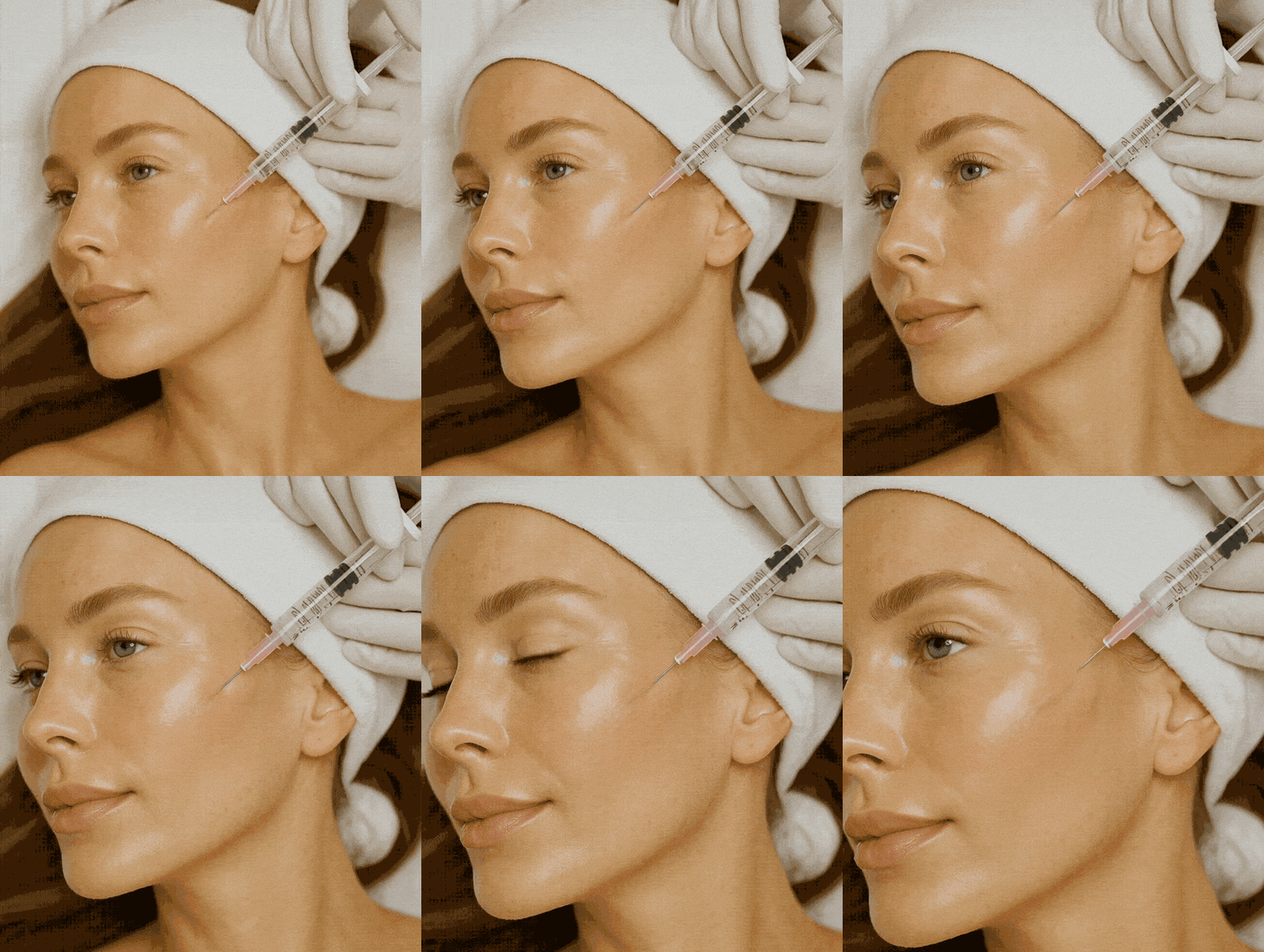


Two people can book the same Morpheus8 appointment and walk out with very different plans. One might be addressing fine lines and uneven texture, while the other is looking to improve jawline definition. The device is the same, but the setup can vary because each person’s skin and concerns are different.
Sometimes, it can come down to just a few millimeters. At Evexia Medspa, each plan starts with a close look at your skin, your concerns, and what you want to improve rather than relying on a preset approach. Understanding how Morpheus8 depth settings work can help you know what to expect and why your treatment plan may look different from someone else’s.
Key Takeaways
- Depth settings control how far the needles reach beneath the skin’s surface.
- Shallower depths tend to address texture and pores, while deeper settings may target concerns involving deeper skin layers.
- Skin thickness, treatment area, and individual concerns all influence the settings chosen for you.
- Deeper treatment is not automatically better and may mean more downtime.
- An experienced provider considers depth and energy based on your skin and goals.
Morpheus8 Treatment Depth Explained
Morpheus8 is a type of radiofrequency (RF) microneedling that combines tiny needles with RF energy to target deeper skin layers. The depth can be adjusted depending on the treatment area and the concerns being addressed.
How Radiofrequency Microneedling Works
The handpiece uses tiny needles to create controlled micro-injuries while delivering heat beneath the skin’s surface. This stimulates collagen production over the following weeks. Collagen helps keep skin firm and smooth, so increased production may improve the appearance of fine lines, uneven texture, and skin laxity.
Radiofrequency microneedling depth is adjustable, allowing providers to tailor treatment to different skin concerns and areas while minimizing its impact on the outer skin.
For patients weighing a laser instead, Solaria CO₂ and Morpheus8 work in different ways and fit different concerns.
Depth and Energy Are Two Different Settings
Depth is one of the Morpheus8 treatment settings a provider chooses. The other is energy level, which influences how much heat is generated. Radiofrequency energy delivery depth determines which skin layer receives that heat. Consider both when selecting settings for your skin and treatment area.
What to Expect During Treatment
A topical numbing cream is applied beforehand to help maximize comfort. Once your skin is prepared, the handpiece is gently moved across the treated area. Most patients find the sensation manageable, with a warm feeling as the handpiece passes over the skin.
Sessions typically last 30 to 60 minutes, depending on the size of the area being treated. The team can explain how addressing multiple areas may affect your appointment time.
Why Does Morpheus8 Treatment Depth Matter?
How far the needles reach determines which skin layers a session can target. This connection between Morpheus8 depth and skin concerns is why one setting cannot work for everyone.
In general terms:
- Shallower depths: Often used for surface concerns like uneven texture, enlarged pores, and fine lines.
- Moderate depths: May be used for acne scars and wrinkles that extend beyond the surface.
- Deeper depths: May be selected for concerns involving deeper skin layers, including certain types of laxity.
How Treatment Depth Can Influence Results
The right depth helps target the layers associated with your concerns. Going too shallow may limit results, while going too deep can increase irritation and downtime. Finding the right balance addresses your concerns without unnecessary intensity.
That’s why microneedling depth and treatment results are closely connected, making depth selection an important part of treatment planning.
What Determines the Correct Morpheus8 Needle Depth?
Several factors that influence Morpheus8 settings shape your treatment plan, including skin thickness, treatment area, primary concerns, and individual goals. An experienced provider weighs these factors when choosing settings for your skin.
Skin Thickness
Skin thickness and treatment depth are related, but thickness alone doesn’t determine how deeply the needles should reach. Skin varies between people and across different areas of the face and body. Thinner or more delicate areas may call for more conservative depths, while other areas may require different settings depending on the tissue being targeted. Understanding how skin thickness affects radiofrequency microneedling settings helps explain why providers don’t use the same needle depth everywhere.
Treatment Area
Evexia Medspa offers Morpheus8 for the face, neck, stomach, and legs. Each area has different skin and tissue characteristics that can influence the settings selected. Even within the face, the forehead, cheeks, and jawline may require different settings, which is why treatment depth varies by facial area.
Your Skin Concern
Your treatment goals also influence the plan. Someone addressing fine lines and uneven texture may have different priorities from someone hoping to soften acne scarring or improve jawline definition. When addressing multiple concerns, your provider may use more than one depth during the same session.
Skin Tone and Sensitivity
RF microneedling can be used on a range of skin types and tones. Still, your provider may adjust energy and depth to account for sensitivity and reduce the risk of irritation or pigment changes. Be sure to mention any history of post-treatment discoloration or skin sensitivity during your consultation.
Your Downtime and Goals
Some people prefer a gentler treatment with less recovery time across several sessions. Others are comfortable with more downtime for a more intensive session. Your schedule and expectations help shape the plan, so it’s worth discussing upcoming events or travel before choosing a treatment date.
Does Deeper Morpheus8 Treatment Always Produce Better Results?
Not necessarily. Going deeper than needed can increase swelling, redness, and recovery time without adding meaningful benefits for surface concerns. The best results come from matching the settings to the concern being addressed. Fine lines and surface texture may call for shallower settings, while concerns involving deeper tissue may require more intensive treatment. Some plans combine multiple depths to address different concerns during the same session.
Afterward, the skin may look pink or slightly swollen, and tiny marks can appear at the treatment sites. These usually fade within a few days, and most patients go back to normal activities within one to two days. Improvements develop gradually as collagen production increases, with optimal results typically appearing around three months after your final session. Following a few simple RF microneedling aftercare steps can help the skin settle comfortably during the first week.
How Providers Customize Morpheus8 Settings for Different Skin Concerns
Session planning can vary depending on the area being treated and the concerns you want to address.
Layering Multiple Depths
Some plans adjust Morpheus8 needle depth within a single session, with passes at multiple levels. A deeper pass may address one concern, followed by a shallower pass for texture, when appropriate.
Fine-Tuning Across Sessions
Settings may be adjusted between visits based on how your skin responds and how your results progress.
So, how do Morpheus8 depth settings affect results over time? Small adjustments from one visit to the next help energy reach the intended layer as your skin responds, without automatically raising intensity or recovery time.
What to Ask Your Provider About Morpheus8 Treatment Depth
These questions can help you better understand your treatment plan:
- Which depths will you use for my concerns?
- Will the settings change for different areas of my face or body?
- How will you account for my skin type?
- How many sessions do you recommend, and why?
- What should I expect for downtime?
Knowing what to ask your provider about Morpheus8 treatment depth can help you discuss your expectations and feel more comfortable with the recommended plan.
Begin Morpheus8 treatment planning in McLean, VA
The right plan accounts for your skin, the areas being treated, and your comfort. As a leading provider of Morpheus8 in McLean, Evexia Medspa offers personalized consultations to talk through what you’d like to improve. Each consultation starts with understanding your concerns and exploring your options.
Evexia Medspa welcomes patients exploring Morpheus8 treatment planning in Arlington, VA, and proudly serves the surrounding areas of Northern Virginia and Washington, D.C., including Tysons Corner, Falls Church, Great Falls, Fairfax County, and Vienna. During your visit, our team can walk you through depth, sessions, and recovery before your first appointment. Call (571) 774-0965 to schedule a consultation.
Morpheus8 FAQs
Is Morpheus8 an option if I’m not a candidate for laser resurfacing?
Morpheus8 may be an option for people who aren’t candidates for laser resurfacing or light-based treatments. Because the energy is delivered beneath the surface, it works differently from treatments that resurface the outer skin. Patients weighing Morpheus8 treatment planning in Falls Church, VA can talk through both paths during a consultation.
What should I tell my provider before Morpheus8?
Share your main skin concerns, any history of skin sensitivity or pigment changes, and previous treatments in the area. These details help your provider understand your skin history and decide whether Morpheus8 is right for you.
Where can I get Morpheus8 in McLean?
Evexia Medspa offers Morpheus8 at its McLean office, a short drive for many Northern Virginia patients. Those considering Morpheus8 treatment planning in Tysons, VA can call the team to arrange a consultation.