



Platelet-rich plasma (PRP) treatments have become a popular option for improving skin texture, stimulating collagen production, and rejuvenating delicate areas like the under eyes. Because PRP uses your body’s own growth factors, it offers a natural approach to skin renewal with minimal downtime.
While PRP treatments are minimally invasive, following proper PRP aftercare instructions is essential for achieving the best possible results. Understanding what to expect during your PRP recovery can help reduce anxiety, support healing, and maximize your outcome.
At Evexia Medspa, our experienced providers guide you through every step of your treatment, including personalized PRP treatment after care recommendations based on your unique goals.
First, How Do Plasma Injections Work?
First things first, how exactly do plasma injections work? Blood comprises plasma, red blood cells, white blood cells, and platelets. Plasma, the liquid portion of blood, consists mostly of water and proteins, facilitating the movement of blood cells and platelets throughout the body. Platelets play a key role in clotting and are rich in growth factor proteins essential for healing.
PRP therapy leverages these growth factors by reintroducing purified platelets back into the skin. These platelet-rich injections promote cell turnover, collagen production, and tissue regeneration, making PRP an effective anti-aging solution for reducing wrinkles and fine lines.
Facial rejuvenation through plasma injections uses concentrated platelets and plasma from your blood to stimulate skin healing and renewal. These growth factors are vital for maintaining skin elasticity and a youthful, plump appearance.
What to Expect During PRP Injections
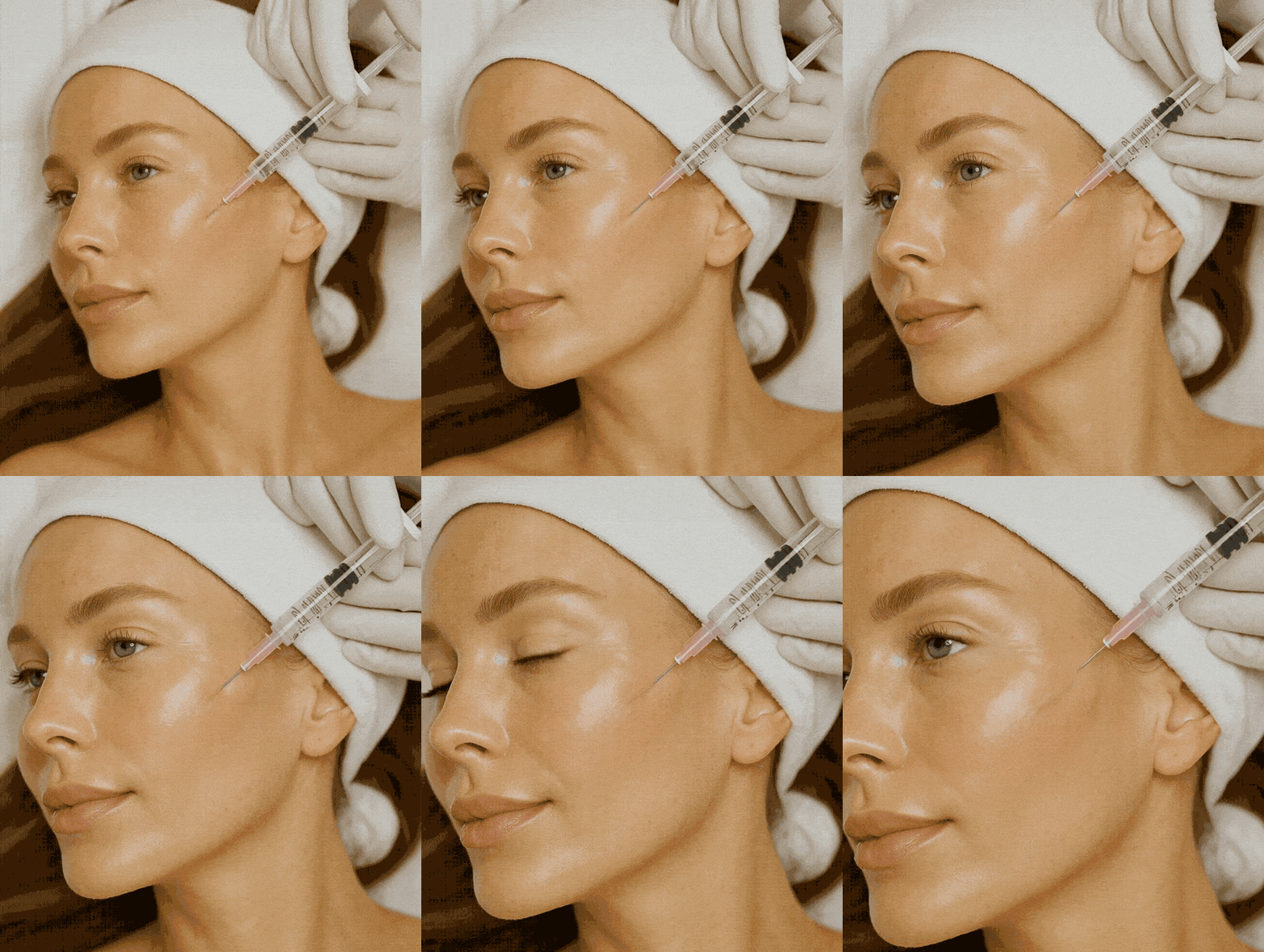
To begin your treatment, a medical professional will draw a small vial of your blood. This vial is then placed in a centrifuge, which separates the platelet-rich plasma (PRP) from the red and white blood cells, concentrating the platelets to enhance their effectiveness.
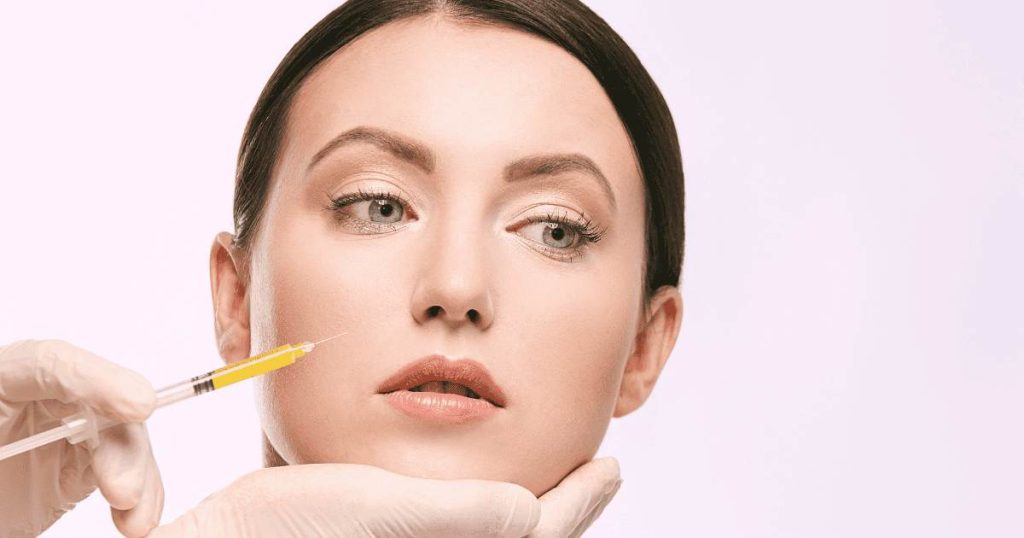
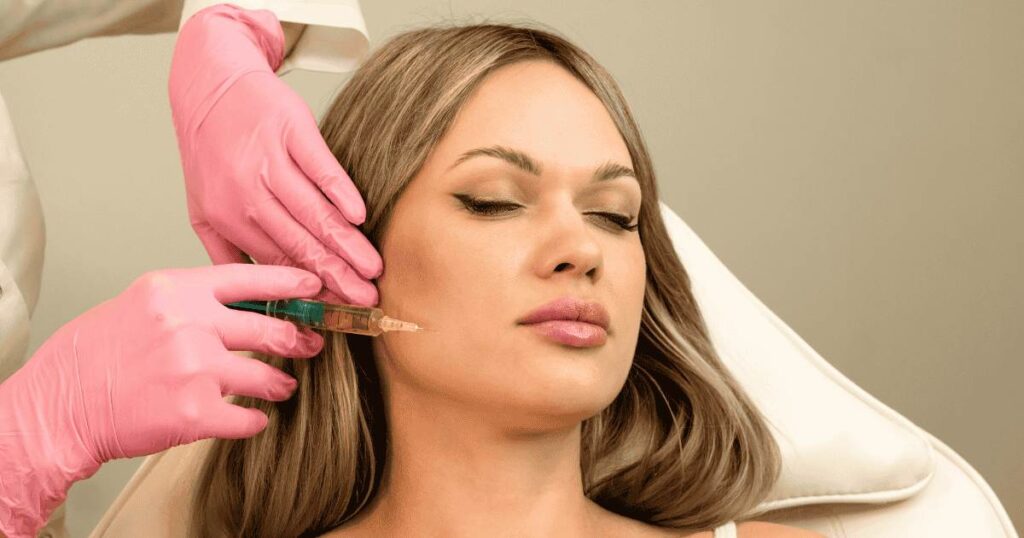
Once prepared, the PRP is ready to target specific skin concerns. The concentrated plasma is reintroduced to the skin through a fine needle injection, which is generally well tolerated. Some patients may experience mild swelling or bruising afterward.
What to Expect After PRP Injections
If you’re wondering what to expect after PRP injections, it’s normal to experience temporary redness, swelling, tenderness, or mild bruising immediately after treatment.
The intensity and duration of these side effects vary depending on the treatment area. For example, PRP under eyes recovery may involve more noticeable swelling because the skin around the eyes is thinner and more delicate.
Common side effects after PRP include:
- Mild redness similar to a sunburn
- Swelling or puffiness
- Tenderness or tightness
- Minor bruising
- Dryness or flaking as the skin heals
These effects are temporary and typically resolve within several days.
PRP Healing Timeline: Recovery Day by Day
Understanding the typical PRP healing timeline can help you feel more prepared during recovery.
Day 1 to 3: Initial Healing Phase
During this period, your skin may appear red and slightly swollen, which is a normal response. Follow these steps to support initial healing:
- Gentle Cleansing: Use a mild, non-irritating cleanser twice daily with lukewarm water. Pat your skin dry with a soft, clean towel to avoid irritation.
- Choosing the Right Cleanser: Select products free from fragrance, alcohol, and harsh chemicals, as these ingredients can aggravate the skin and hinder healing.
- Applying Prescribed Ointments or Moisturizers: Follow your provider’s recommendations for ointments or moisturizers to soothe and support skin recovery.
- Effective Ingredients: Look for ingredients like hyaluronic acid, ceramides, and peptides, which are known for their skin-repairing properties.
- Avoiding Strenuous Activities: Refrain from activities that cause sweating or increased blood flow to the treated area. Gentle activities like walking are usually safe but consult your provider for personalized advice.
If you’re receiving treatment around the eyes, PRP under eyes aftercare is especially important during this phase. Puffiness, tenderness, and bruising are common and should gradually improve.
Day 4 to 7: Promoting Healing
One of the most common questions patients ask is, “How long does PRP take to heal?” As your skin continues to recover, gradually reintroduce mild skincare products and activities:
- Introducing Mild Skincare Products: Around day four, incorporate a gentle moisturizer and hydrating serum. Avoid active ingredients such as retinoids, acids, or exfoliants, as they may irritate the skin.
- Product Choice: Opt for products labeled for sensitive skin with ingredients like glycerin, aloe vera, and squalane for hydration without irritation.
- Hydration and Moisturization: Drink plenty of water and use a hydrating moisturizer to maintain your skin’s moisture barrier. Products with hyaluronic acid can lock in moisture and improve texture.
- Avoiding Direct Sunlight and Using Sunscreen: Continue protecting your skin with SPF 30+ sunscreen, reapplying every two hours when outdoors. Wearing a wide-brimmed hat can provide extra protection.
Long-Term Skincare Maintenance
Incorporating a few practices into your daily routine can help preserve the benefits of your PRP treatment:
- Hydration and Sun Protection: Use a gentle moisturizer and broad-spectrum sunscreen daily to prevent UV damage and dehydration, which can counteract the effects of PRP.
- Adding Antioxidants and Serums: Incorporate serums with antioxidants like vitamin C or E to defend against free radicals and encourage collagen production, promoting healthy, youthful skin.
- Avoiding Harsh Treatments: For several weeks after PRP, avoid chemical peels, microdermabrasion, or laser treatments to prevent irritation and ensure effectiveness. If you are considering additional procedures, talk to the experts at Evexia Medspa to confirm they’re safe for your skin.
By following this care routine, you’ll support a smooth recovery and maximize the rejuvenating effects of your PRP injections.
PRP Aftercare Instructions For Best Results
Mild redness, swelling, tenderness, or itching at the treatment site is common after PRP treatment. These effects are normal and typically subside within a few days. However, swelling around the eyes may persist slightly longer. If symptoms persist or other reactions occur, please contact us.
Please adhere to the following guidelines to support optimal healing:
- Avoid strenuous exercise for the first 24 hours.
- Sleep with your head elevated on two pillows to help reduce swelling.
- Refrain from touching the treated area for at least 4 hours post-treatment.
- Avoid exposure to intense heat or sunlight (e.g., saunas or tanning beds).
- Use pain relief such as paracetamol only as directed by your physician.
- Consider in-clinic or at-home LED therapy for additional healing support.
- Avoid alcohol consumption for 24 hours.
- Refrain from using active skincare products such as AHAs, retinol, or vitamin C.
- Avoid facials, waxing, glycolic or AHA peels, IPL, energy-based treatments, and microdermabrasion for two weeks unless your provider advises otherwise. Confirm with your provider before undergoing any other facial treatments within this period.
- Do not massage the treated area unless instructed by your provider.
- Ideally, avoid wearing makeup until the day after the procedure.
- Refrain from smoking.
These aftercare steps are essential for promoting a smooth recovery and maximizing the benefits of your PRP treatment.
Answering the Most Googled PRP Aftercare and Recovery Questions
How Soon Can I Walk After PRP Injections?
After a Platelet-Rich Plasma (PRP) injection, you can usually walk or move lightly within 24 to 48 hours.
How Long to Wait to Exercise After PRP Injection?
Following a PRP injection, it’s typically advised to wait several days to a week before resuming strenuous exercise, gradually increasing activity levels over the following weeks. Always follow your provider’s specific guidance based on the injection site and your unique needs. Most experts recommend avoiding intense workouts for at least two weeks post-injection.
When Can I Drink Alcohol After PRP Injection?
It’s recommended to avoid alcohol for 3–7 days following a PRP injection, as it can interfere with the healing process and potentially affect treatment results. Alcohol can weaken immune function and reduce platelet effectiveness, which may hinder recovery and contribute to long-term health issues.
How Long Does Swelling Last After PRP Injection?
Swelling after a PRP injection generally lasts 1-3 days, with the most prominent swelling reducing within 24-48 hours. However, the duration may vary based on the treatment area and each individual’s healing response.
How Long Does A PRP Injection Last?
The effects of a platelet-rich plasma (PRP) injection generally last between six and nine months, though individual results may vary.
What are the Risks of PRP Injections?
PRP is generally safe; however, there are some potential risks, such as bleeding, infection, and discomfort. You may also experience soreness or bruising around the injection site.
How Long Should I Avoid Anti-inflammatory Medications After PRP?
It’s recommended to avoid anti-inflammatory medications for several days both before and after the injection.
Support Your PRP Recovery at Evexia Medspa
Following proper PRP aftercare guidelines is one of the most important steps you can take to maximize your results.
At Evexia Medspa, our team provides detailed aftercare instructions and ongoing support throughout your PRP recovery journey. Whether you’re interested in facial rejuvenation, under-eye treatments, or collagen stimulation, we’re here to help you achieve natural-looking results with confidence. We provide PRP for skin, under-eyes, and hair restoration.
Ready to learn if PRP is right for you?
Call us at 571-609-3375 to schedule a consultation and learn if PRP is right for you.