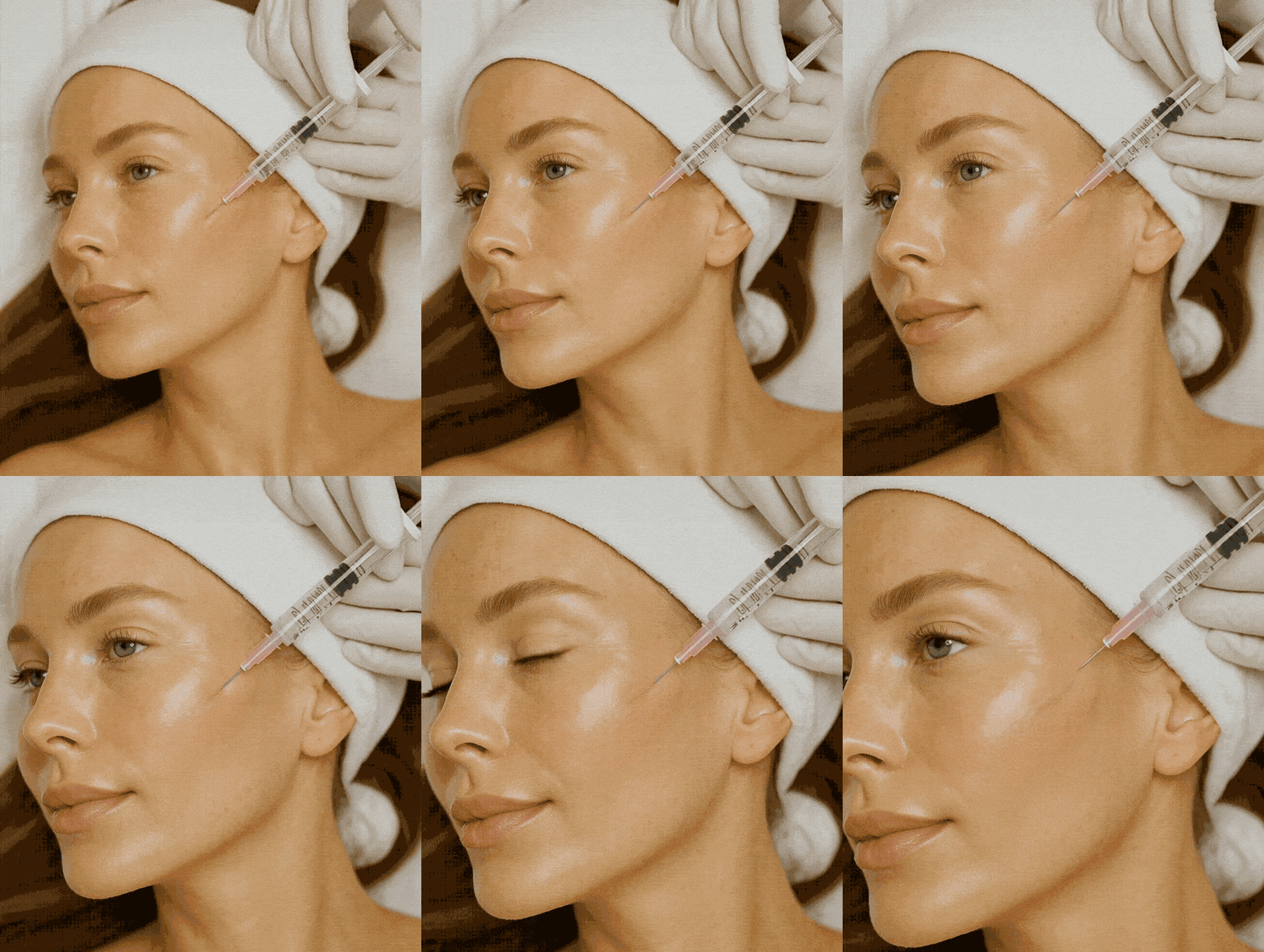

Laser resurfacing can refine uneven texture, soften fine lines, fade sun damage, and improve the look of certain scars. What happens in the days and weeks after your appointment matters just as much as the treatment itself, because that is when your skin does the work of rebuilding.
Right after treatment, skin is often red, swollen, tender, dry, or flaky. How strong those effects feel depends on the type of laser and how intensive your session was. Good laser resurfacing recovery means caring for that skin the way your provider recommends, which protects your results and lowers the chance of complications.
What to Expect During Laser Resurfacing Recovery
Ablative lasers, including fractional CO₂ systems, intentionally remove tiny areas of tissue. Your skin responds as it would to any controlled wound: it becomes inflamed, sheds the treated skin, and replaces it with new cells.
Early on, redness, warmth, swelling, tenderness, and sensitivity are common. As healing progresses, dryness, peeling, flaking, and light crusting usually follow as treated tissue loosens and new skin forms underneath.
Once peeling settles, the fresh skin may stay pink and reactive for a while, which is normal. Below the surface, collagen keeps remodeling for months, so visible improvement can continue long after you look healed.
Recovery looks different from person to person. Treatment depth, energy settings, the area treated, your skin type, and your body’s own healing pace all play a part. Fractional CO₂ resurfacing leaves small sections of untouched skin between each microscopic treatment zone, and those sections help the area recover more easily than full-field resurfacing. Even so, fractional treatment can still mean real downtime as you move through each stage of CO₂ laser recovery day by day.
7 Tips for Laser Skin Recovery
These tips for laser skin recovery are general, and your own care plan always comes first.
1. Follow Your Provider’s Aftercare Instructions
General advice about CO₂ laser aftercare can’t account for your skin, your settings, or how your treatment went. The person who treated you knows which cleanser, ointment, and moisturizer suit your stage of healing and when to switch between them.
Check with your provider before changing your routine or trying a new product. Even a fragranced moisturizer can sting skin that hasn’t closed up yet.
2. Cleanse Gently and Keep the Skin Protected
Wash only as directed, using lukewarm water and your fingertips. Skip hot water, washcloths, cleansing brushes, and scrubs, and don’t rub or tug at the treated area. Pat dry with a clean, soft towel.
Between cleansings, the ointment or moisturizer your provider recommends helps keep the skin from drying out and cracking. No single product suits every resurfacing patient, so stick with what you were given.
3. Protect Your Skin From Sun Exposure
Newly treated skin has lost some of its natural defense against UV light. Sun exposure during this window can deepen irritation and raise the chance of dark patches that may take a long time to fade.
Stay out of direct sun as much as possible, seek shade, and wear a wide-brimmed hat outdoors. Wait for your provider’s go-ahead before applying sunscreen to healing skin. Once you’re cleared, use a broad-spectrum sunscreen with SPF 30 or higher, or the SPF your provider suggests.
Sunscreen adds protection, but it doesn’t replace avoiding the sun in early recovery.
4. Pause Retinoids, Exfoliants, and Other Active Ingredients
One of the most common post-laser skincare mistakes is going back to a full routine too soon. Retinoids, AHAs, BHAs, strong vitamin C serums, benzoyl peroxide, and exfoliating toners can all irritate skin that is still repairing itself.
Set these aside until your skin has healed. Your provider will tell you when to bring each one back, based on your treatment depth and how your skin responds.
5. Avoid Picking, Peeling, or Scrubbing the Skin
Flaking skin is tempting to pull at, but loose pieces are often still attached to tissue that hasn’t finished healing. Removing them early can open the skin, invite irritation or infection, and raise the risk of pigment changes or scarring.
Keep your hands off and let shedding happen naturally. If crusting lingers or an area seems slow to heal, reach out to your provider rather than trying to fix it at home.
6. Give Your Skin Time Before Resuming Makeup and Other Treatments
Makeup, facials, chemical peels, microneedling, waxing, and energy-based treatments all put stress on the skin. Applying them to skin that hasn’t fully closed can increase irritation and the risk of complications.
How long to wait depends on your treatment intensity and how quickly you heal. Ask your provider to clear you before booking other services or going back to cosmetics. Keep in mind that recovery after other collagen-building treatments follows its own rules, so microneedling aftercare or PRP recovery and aftercare instructions won’t necessarily apply after a CO₂ laser.
7. Support Recovery With Rest and Consistent Care
Simple habits help. Drink enough water, sleep on a clean pillowcase, and try to keep hands, hair, and clothing from rubbing against the treated area.
Depending on your treatment, you may be asked to avoid strenuous workouts, heavy sweating, saunas, steam rooms, and very hot showers for a period of time. Heat and sweat can aggravate inflamed skin. Follow whatever activity limits you were given, and be wary of supplements, special foods, or home remedies marketed as ways to speed up healing.
What to Avoid After Laser Resurfacing
Exact restrictions and how long they last depend on your treatment, but we generally recommend avoiding the following after laser resurfacing in general:
- Direct sun and tanning beds
- Picking, scratching, or pulling off peeling skin
- Harsh cleansers, scrubs, and exfoliating tools
- Retinoids, exfoliating acids, and other strong actives before you’re cleared
- Makeup or products your provider hasn’t approved
- Saunas, steam rooms, high heat, and hard workouts for the period your provider sets
- Chemical peels, microneedling, waxing, or additional laser sessions until you’re cleared
- Home remedies or unapproved products on raw or open skin
This list is a starting point, not a substitute for your care plan.
How to Heal Fast After Laser Resurfacing
Many people want to know how to heal fast after laser resurfacing. The honest answer is that skin repairs itself on its own schedule, and there is no safe way to rush it. What you can do is avoid setbacks that slow it down.
- Keep your routine short and gentle.
- Use only products your provider has approved.
- Protect the area from UV light and friction.
- Leave flakes alone, skip exfoliation, and wait to restart active ingredients.
- Go to your follow-up appointments, and ask questions if something seems off.
Extra products, more frequent washing, or forcing skin to peel won’t improve your outcome and will likely set recovery back.
What Is Normal During Recovery, and When Should You Call Your Provider?
After ablative resurfacing, some redness, swelling, sensitivity, peeling, and crusting are normal parts of healing. These effects usually ease gradually.
Get in touch with your treating provider promptly if you notice:
- Redness, warmth, swelling, or pain that keeps building instead of slowly improving
- Pus, unusual drainage, or an area that looks worse over time
- Fever or other possible signs of infection
- New blisters, especially with significant pain or if you’ve had cold sores before
- Unexpected shifts in skin color or any reaction that worries you
If symptoms are severe or getting worse quickly, seek urgent medical care. Don’t try to treat a suspected infection on your own.
Does Laser Resurfacing Recovery Differ by Treatment Type?
Yes. Skin resurfacing recovery isn’t the same across every laser.
- Fractional ablative CO₂ resurfacing removes microscopic columns of tissue and usually calls for more involved aftercare than non-ablative treatments.
- Full-field ablative resurfacing treats the entire targeted surface, so recovery is often longer and more intensive.
- Non-ablative lasers heat tissue without removing the surface, which generally means less peeling and a lighter aftercare routine.
At Evexia Medspa, Solaria is our fractional CO₂ option. Because depth and intensity can be adjusted, your recovery depends on the treatment you actually receive, not just the name of the device. Comparing the different types of laser resurfacing can help you understand where your treatment falls.
Support Your Laser Resurfacing Recovery at Evexia Medspa
Smooth healing starts before your appointment, with a clear picture of your treatment, a realistic sense of downtime, and a provider you can call with questions. During a consultation, our team reviews your candidacy, walks you through the recovery you can expect, and builds an aftercare plan around your skin.
As a leading provider of Solaria fractional CO₂ laser resurfacing in McLean, VA, Evexia Medspa supports patients from preparation through every stage of laser resurfacing recovery. We serve Northern Virginia and Washington, D.C., including Tysons Corner, Arlington, Falls Church, Vienna, and Great Falls. Call (571) 609-3375 or reach out online to talk through your skin goals.